Are Rolex watches a good investment?
Rolex values are up 80% since 2017, but which models perform best as a Rolex investment? Explore resale data, top Rolex investments and what drives Rolex value.


Rolex values are up 80% since 2017, but which models perform best as a Rolex investment? Explore resale data, top Rolex investments and what drives Rolex value.


Rolex watches have a stronger resale market than most luxury goods, but that does not mean every Rolex is a good investment. Based on WatchCharts value-retention data across 15 Rolex model families, 10 currently sell for more than their retail price on average. Meaning 67% of Rolex models increase beyond their RRP.
It also depends on what you mean by investment. If you are wanting to buy a Rolex to celebrate an achievement, then yes, it is a great investment. However, this article focuses on whether a Rolex is financially a good investment.
The strongest average premiums are seen in the Oyster Perpetual (+44%), Daytona (+40%), Land-Dweller (+37%), GMT-Master II (+32%) and Sky-Dweller (+17%), according to WatchCharts. However, the picture is more nuanced than the model name alone suggests. Each collection contains different references, materials, dials and production periods, and their values can vary considerably.
So, do Rolex watches hold their value? Yes. While buying a Rolex should not be treated as a guaranteed financial return, a number of Rolex models retain a high proportion of their retail price, and some even trade above it on the secondary market.
WatchCharts’ Rolex Market Index shows a market that has moved back into positive territory in 2026. Values are up 5.2% over the past year, with gains also recorded over the past three and six months. Rather than a single short-term spike, the Rolex investment chart data suggests a broader period of stabilisation and recovery across the secondary market.
| Period | % change |
|---|---|
| 1 month | -0.5% |
| 3 months | +0.6% |
| 6 months | +2.2% |
| 1 year | +5.2% |
| 3 years | +1.8% |
| 5 years | -10.5% |
| Since 2017 | +80.0% |
Source: WatchCharts Rolex market index, Q3 2026.
Looking further back changes the picture again. Since 2017, the Rolex index has risen by 80%. That does not mean values increase consistently every year, similar to the price of gold, Rolex values fluctuate as demand and market conditions change. What the data does show is that periods of falling prices can sit within a much stronger long-term trend.
For anyone considering a Rolex partly for its investment potential, this is an important distinction. When you buy can have a major effect on your return if you’re purchasing a second hand Rolex. Someone purchasing near a market peak can see several years of weaker performance, even while an owner who bought much earlier remains significantly ahead. This is why the individual reference and the price paid matter just as much as the overall Rolex market.
There is no single Rolex resale rate. Even within the same collection, different references, materials and configurations can perform very differently, which is why it is more useful to look at model-level value retention alongside the likely resale range.
| Model | Average value retentionAvg. retention | Low resale valueLow resale | High resale valueHigh resale |
|---|---|---|---|
| Rolex Oyster Perpetual | +44% | 100% | 150% |
| Rolex Daytona | +40% | 100% | 180% |
| Rolex Land-Dweller | +37% | 87% | 133% |
| Rolex GMT-Master II | +32% | 110% | 160% |
| Rolex Sky-Dweller | +17% | 70% | 125% |
| Rolex Submariner | +13% | 100% | 150% |
Source: WatchCharts Rolex value retention, Q3 2026. Low and high resale values are Suttons & Robertsons' own estimates of the second-hand price range, shown as a % of the retail price (100% = the same as retail). Ranges reflect typical models; rare, vintage, limited or gem-set references can sell well outside these ranges, e.g. some Daytona and Land-Dweller references at several times retail.
The interesting point is the spread within each collection. A Daytona may sell for around retail at the lower end, while the most sought-after references can command considerably more. The same is true of the GMT-Master II, where our estimates put typical resale values at around 110% to 160% of retail. By contrast, the Sky-Dweller and Land-Dweller show that even collections with strong average retention can include references that trade below retail.
This is why a model name alone is not enough to judge investment potential. The exact reference, dial, material, production status and the price you paid can all make a significant difference to the eventual return. A high-performing collection can still contain weaker references, while a particularly desirable or rare variation can sit well above the typical range.
Another useful way to assess Rolex value retention is to compare current secondary-market prices with the brand’s new retail prices. This helps show whether a watch is trading at a premium or a discount to what it costs new.
The Rolex Submariner 126610 has a UK retail price of £9,500, while WatchCharts values the same reference at roughly £10,389 on the secondary market. That puts its current market value at approximately 9% above retail. This is significant because many luxury watches fall below retail value once purchased. However, a Rolex trading above its RRP is not unusual showing that the pre-owned Rolex market remains strong.
Retail-price retention should also be treated separately from investment return. A watch worth more than its retail price today has retained value well, but the amount an owner ultimately receives will depend on the price originally paid, market conditions, condition, box and papers, and the method used to sell it.
Not all Rolex watches perform in the same way. The best Rolex watch for strongest value retention is usually found in references with a combination of limited availability, recognisable design, strong collector demand and a clear place in Rolex history.
The Rolex Daytona is one of the clearest examples of an investment watch. WatchCharts puts average value retention across the collection at +40.4%, weighted by annual transaction volume. The current steel Daytona 126500LN-0001 is a particularly strong example, with a market value of approximately £26,234 against a converted retail benchmark of around £12,844, more than double retail. The 126500LN-0002 also trades around 72% above retail. This illustrates why securing certain Daytonas at retail can create a significant immediate premium, although buyers entering at secondary-market prices are paying much of that value upfront.

The Rolex GMT-Master II also performs strongly, with average value retention of +32.0%, but the individual references show just how important configuration is. The 126710GRNR ‘Bruce Wayne’ is currently around 72% above retail, with a market value of approximately £15,400 against a converted retail benchmark of £8,968. The Batgirl 126710BLNR and Sprite 126720 are also above retail by around 48% and 34% respectively. By contrast, the two-tone Root Beer 126711CHNR sits around 6.5% below retail. Even within one of Rolex’s strongest collections, therefore, the exact reference can materially change the investment case.
The Rolex Submariner has average value retention of +12.8%, but the data shows a particularly clear divide between configurations. Is a Rolex Submariner a good investment? Stainless-steel references are currently among the stronger performers: the no-date 124060 trades around 23% above retail, while the 126610 and green-bezel 126610LV ‘Starbucks’ are both approximately 21% above retail. This is a good example of why material, dial and bezel combination can matter as much as the collection name itself.
The Rolex Datejust is broader and more varied, but its average value retention is still a positive +14.7%. Several current references shown by WatchCharts trade comfortably above retail, including the 278274 at around 31% above retail, the 278273 at 29%, and the 126234 at approximately 28%. With such a wide choice of sizes, metals, dials and bracelets, however, Datejust performance is more reference-specific than the headline collection average suggests.
Whether you buy new or pre-owned can matter as much as the model itself. Most luxury goods lose some value once purchased, but Rolex is unusual in that certain high-demand references may increase immediately, or increase over time, or even hold their value.
Buying new at retail can therefore be attractive if the watch already commands a strong secondary-market premium. The challenge is availability: the most sought-after references are often the hardest to buy at retail, so the theoretical advantage only matters if you can actually access the watch at that price.
Buying pre-owned offers more price transparency. You can compare current market values, recent listings and similar references before deciding what to pay, and some of the initial depreciation may already have occurred. It also opens up discontinued and vintage references that are no longer available new.
Neither route is automatically the better investment. What matters most is your entry price relative to the watch’s true market value.
Two otherwise identical-looking Rolex watches can receive different valuations. Here are some of the main factors that drive Rolex resale value:
| Factor | Impact on value | What buyers look for | Typical effect on price |
|---|---|---|---|
| Box and papers | Moderate to high | Original box, Rolex warranty card and receipt (a full set) | Watch only: 10% to 20% less |
| Condition | High | Light wear, sharp case edges, clear crystal | Heavy wear: 5% to 15% less |
| Polishing | Variable | Unpolished or lightly polished case | Over polished: 5% to 20% less |
| Original parts | High, particularly vintage | Factory dial, hands, bezel and bracelet | Aftermarket parts or diamonds: 20% to 50% less |
| Bracelet | Moderate | Original bracelet with all links | Missing links: 5% to 10% less |
| Service history | Moderate | Recent Rolex service with papers | No history: up to 5% less |
| Warranty remaining | Moderate | Time left on the 5-year Rolex warranty | Recent purchase: up to 5% more |
| Model and material | High | Steel sports models in high demand | Biggest factor: steel often above retail, gold often below |
| Dial and colour | High | Popular or rare dials | Sought-after dials: 10% to 50% more |
| Production status | High | Recently discontinued references | Discontinued: 10% to 30% more |
| Market conditions | High | Overall demand for pre-owned watches | Moves all prices (see market index above) |
Watches associated with famous personalities or events can often fetch higher prices at auctions and in the secondary market. For instance, Paul Newman's Rolex Daytona, known as the "Paul Newman Daytona," sold for a record-breaking $17.8 million in 2017. These historical associations relate a narrative with these watches that enhances their desirability and value making them some of the most expensive Rolex ever sold.
The weakest Rolex investment is often not a particular collection. It is a watch bought at the wrong price. Paying a substantial secondary-market premium during a period of unusually high demand leaves more room for that premium to contract. Likewise, buying a less sought-after configuration at full retail can mean accepting an immediate gap between purchase price and resale value. However, resale performance changes over time, so a model trading below retail today may perform differently as demand and market conditions evolve.
While these Rolex models are often classed as a ‘bad Rolex investment ’, they are not a bad investment and still often retain their value or increase; they just have a lower resale value than the other models.
| Model | Average value retentionAvg. retention | Low resale valueLow resale | High resale valueHigh resale |
|---|---|---|---|
| Rolex Datejust | +15% | 75% | 110% |
| Rolex Lady-Datejust | +11% | 70% | 110% |
| Rolex Explorer II | +7% | 80% | 100% |
| Rolex Air-King | +4% | 91% | 110% |
| Rolex 1908 | -1% | 66% | 103% |
| Rolex Explorer | -2% | 80% | 100% |
| Rolex Day-Date | -5% | 70% | 100% |
| Rolex Yacht-Master | -6% | 70% | 90% |
| Rolex Sea-Dweller | -19% | 80% | 110% |
Source: WatchCharts Rolex value retention, Q3 2026. Low and high resale values are Suttons & Robertsons' own estimates of the second-hand price range, shown as a % of the retail price (100% = the same as retail). Ranges reflect typical models; rare, vintage, limited or gem-set references can sell well outside these ranges, e.g. some Daytona and Land-Dweller references at several times retail.
Rolex watches can increase in value over time, but their performance looks very different when compared with traditional investments. The table below puts the WatchCharts Rolex Market Index alongside the FTSE 100, S&P 500 and gold over the same broad periods, giving useful context for how Rolex has performed as an asset rather than just within the watch market.
| Period | Rolex market indexRolex | FTSE 100 | S&P 500 | Gold |
|---|---|---|---|---|
| 1 year | +5.2% | +13% | +14% | +8% |
| 3 years | +1.8% | +39% | +78% | +126% |
| 5 years | -10.5% | +50% | +78% | +138% |
| Since 2017 | +80.0% | +48% | +242% | +262% |
Sources: WatchCharts Rolex market index; FTSE 100 and S&P 500 index price change only (no dividends); gold spot price. All figures Q3 2026 (to 30 September 2026), with ‘since 2017’ measured from the end of 2016.
The longer view is important. According to the WatchCharts Rolex Market Index, Rolex values have increased by 80% since 2017, despite being 10.5% lower over the past five years. It also shows why Rolex should not be viewed as a consistently appreciating asset: returns depend heavily on when you buy and the price you pay.
Compared with traditional investments, Rolex has delivered a strong long-term increase in value. Since 2017 it has outpaced the FTSE 100’s price growth (although this excludes dividends), but it has trailed the S&P 500 and gold over every period shown. Rolex can retain and grow value over time, but its strongest appeal is as a wearable asset with an established resale market and investment potential, rather than a replacement for conventional investments.
Both brands have strong collector markets, but they behave differently.
| Comparison | Rolex | Patek Philippe |
|---|---|---|
| Typical entry price | Generally lower at around £5,000 | Generally higher at around £15,000 |
| Buyer market | Very broad | More specialist |
| Model range | Large, with high-volume core collections | Smaller and more collector-led |
| Value drivers | Reference, availability, configuration, condition | Reference, rarity, complication, provenance and condition |
| Price transparency | Strong across popular models | Can be more reference-specific |
| Investment risk | Varies significantly by Rolex reference | Can be concentrated in particular references and collector demand |
For either brand, the name on the dial is not enough. A highly sought-after Patek can perform very differently from another Patek, just as a Pepsi and a Lady-Datejust occupy very different parts of the Rolex market.
| Period | Rolex market indexRolex | Patek Philippe market indexPatek | Difference |
|---|---|---|---|
| 1 year | +5.2% | +17.6% | -12.4% |
| 3 years | +1.8% | +8.6% | -6.8% |
| 5 years | -10.5% | +10.5% | -21.0% |
| Since 2017 | +80.0% | +180.9% | -100.9% |
Source: WatchCharts Rolex and Patek Philippe market indices, Q3 2026. Difference is Rolex minus Patek Philippe, in percentage points.
Heading into 2027, the Rolex market looks more settled than the sharp swings seen in recent years. Values are still higher than they were and are recovering from the poorer performance in 2023 and 2024. Watch values naturally fluctuate, and the recent movement has been relatively small compared with the larger changes seen over the previous few years. What is more significant is that the market is no longer sitting at the lows reached during the 2023–24 downturn.
There are several things worth watching in 2027. Rolex increased UK retail prices again in 2026, while availability, new releases and discontinued references will continue to influence demand. However, retail price increases alone do not guarantee higher resale values. The more important measure is what buyers are actually willing to pay on the secondary market.
Selling your Rolex watch is not the only way to access the value held in a Rolex. A loan secured against a Rolex watch lets you borrow against its current value while retaining ownership, provided you repay the loan. This is one of the more common reasons we see clients use loans above £20,000.
Alternatively, are you looking to add a new Rolex to your collection? Discover a selection of second-hand Rolex watches. If you're interested in buying a watch strap for your Rolex, our friends at Wristbuddys offer a great selection of rubber straps.
Some Rolex watches have proven to be strong stores of value, with certain references appreciating over time or trading above their original retail price, making Rolex watches one of the best alternative investments. However, performance varies significantly by model, reference, condition and, importantly, the price paid to what the best Rolexes to invest in are. A well-bought Rolex can retain value very well, but it is often viewed as a collectable asset with investment potential rather than a guaranteed financial return.
Some do, but not consistently. WatchCharts’ Rolex Market Index is up 5.2% over the past year with roughly 67% of models increasing in value, although it remains 10.5% lower over five years. This shows that Rolex values can increase substantially over the long term, but performance depends on when you buy, the price paid and the specific model or reference.
The strongest Rolex collections are the Oyster Perpetual (+44%), Daytona (+40%), Land-Dweller (+37%), GMT-Master II (+32%) and Sky-Dweller (+17%), however individual references within each collection can perform differently.
It can, but not always. In our analysis of WatchCharts data, 10 of the 15 Rolex model families currently trade above retail on average, while models such as the 1908, Explorer, Day-Date, Yacht-Master and Sea-Dweller sit below retail on average. Even within the same collection, individual references can perform very differently, so whether a Rolex loses value depends heavily on the exact watch and the price you paid.
Neither is automatically better. Buying new at retail can be advantageous when the watch trades above retail, while buying pre-owned lets you see an established secondary-market price before committing.
A brand-new Rolex bought at retail can offer the strongest investment potential, but only for the right reference. In our analysis, 5 of the 10 Rolex models reviewed currently trade above their RRP, meaning buyers who secure one at retail could see an immediate uplift in value. The difficulty is access. The Rolex models that command the biggest secondary-market premiums are often the hardest to buy new, with long waiting lists and limited availability.
The Rolex Daytona 126500 is a good example. With a retail price of around £14,050 and a secondary-market value of £24,013 as of 30 September 2026, the difference is approximately 71% before selling costs. Someone buying at retail therefore starts from a very different position to someone paying £24,013 pre-owned, who would need the market value to rise further to make a return.
A pre-owned Rolex can still perform well, but entry price matters: the more of the future value increase you pay for upfront, the more you are relying on further secondary-market growth.
Yes, our research above shows that Rolex watches with the original box and paperwork can be worth 10% to 20% more. Original paperwork helps establish provenance, and a complete set is generally more attractive to buyers, although model, reference, condition and originality remain important.
No. Discontinuation limits future supply, so a discontinued Rolex watch becomes more valuable only if buyer demand is strong.
There is no fixed holding period. In most cases, the holding period for a Rolex watch to gain a profit is a minimum of 5 years. Short-term Rolex prices fluctuate, so a watch bought primarily with resale value in mind should generally be considered over a longer period rather than on the assumption of a quick profit.
Our findings combine WatchCharts market data with our own analysis of Rolex resale values. Market index figures are correct as of the end of Q3 2026 (30 September 2026), while model-level value-retention and pricing data was collected in late September 2026. WatchCharts value-retention data compares current secondary-market prices with retail prices across actively traded Rolex models, while its Rolex Market Index tracks price movements over time using transaction-weighted secondary-market data. This data is used with WatchCharts’ permission. We have also used our own estimated resale ranges to show how values can differ between references within the same Rolex collection.

Which watches go up in value? Patek Philippe, Audemars Piguet and Rolex top our list. See the latest watch resale analysis in our Q3 2026 update.
Rolex values are up 80% since 2017, but which models perform best as a Rolex investment? Explore resale data, top Rolex investments and what drives Rolex value.
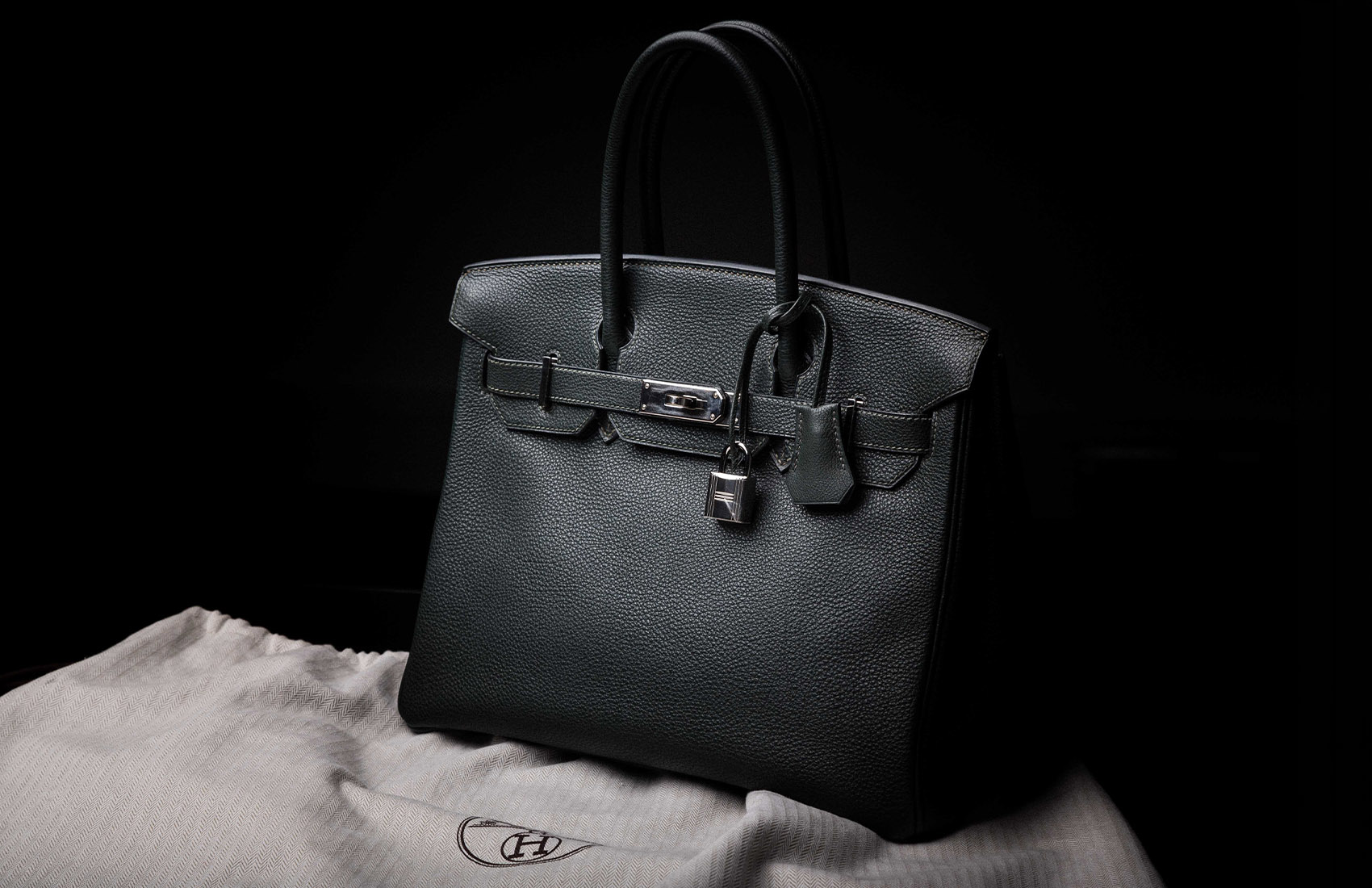
Read our luxury handbag resale value comparison guide for clear insights on Hermès, Louis Vuitton, and Chanel resale value returns.
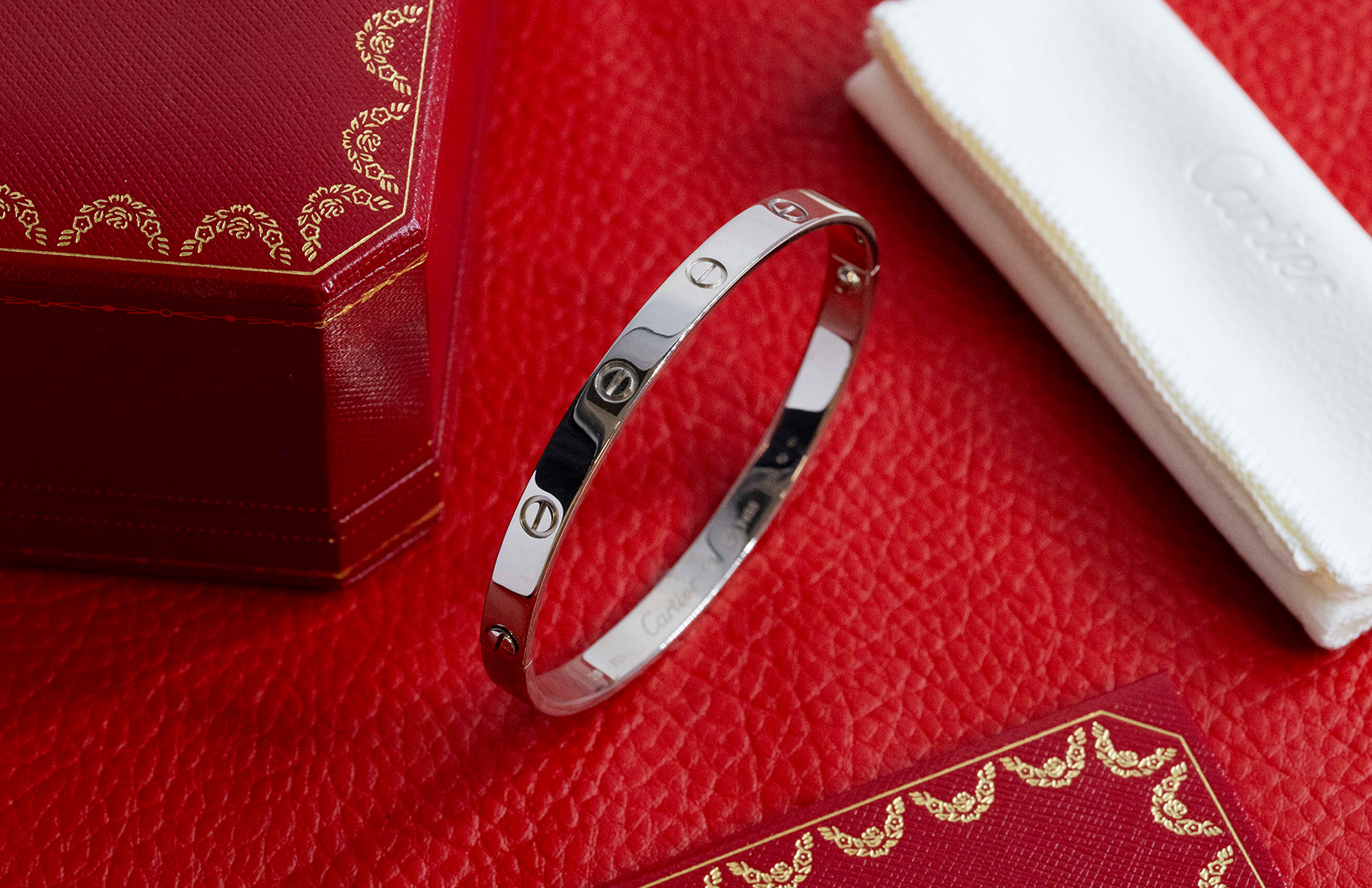
Does jewellery have high resale value? Our 2026 report analyses 2,000+ real sales across Cartier, Van Cleef & Arpels, Bulgari, Chopard, Tiffany & Co., and Boodles.
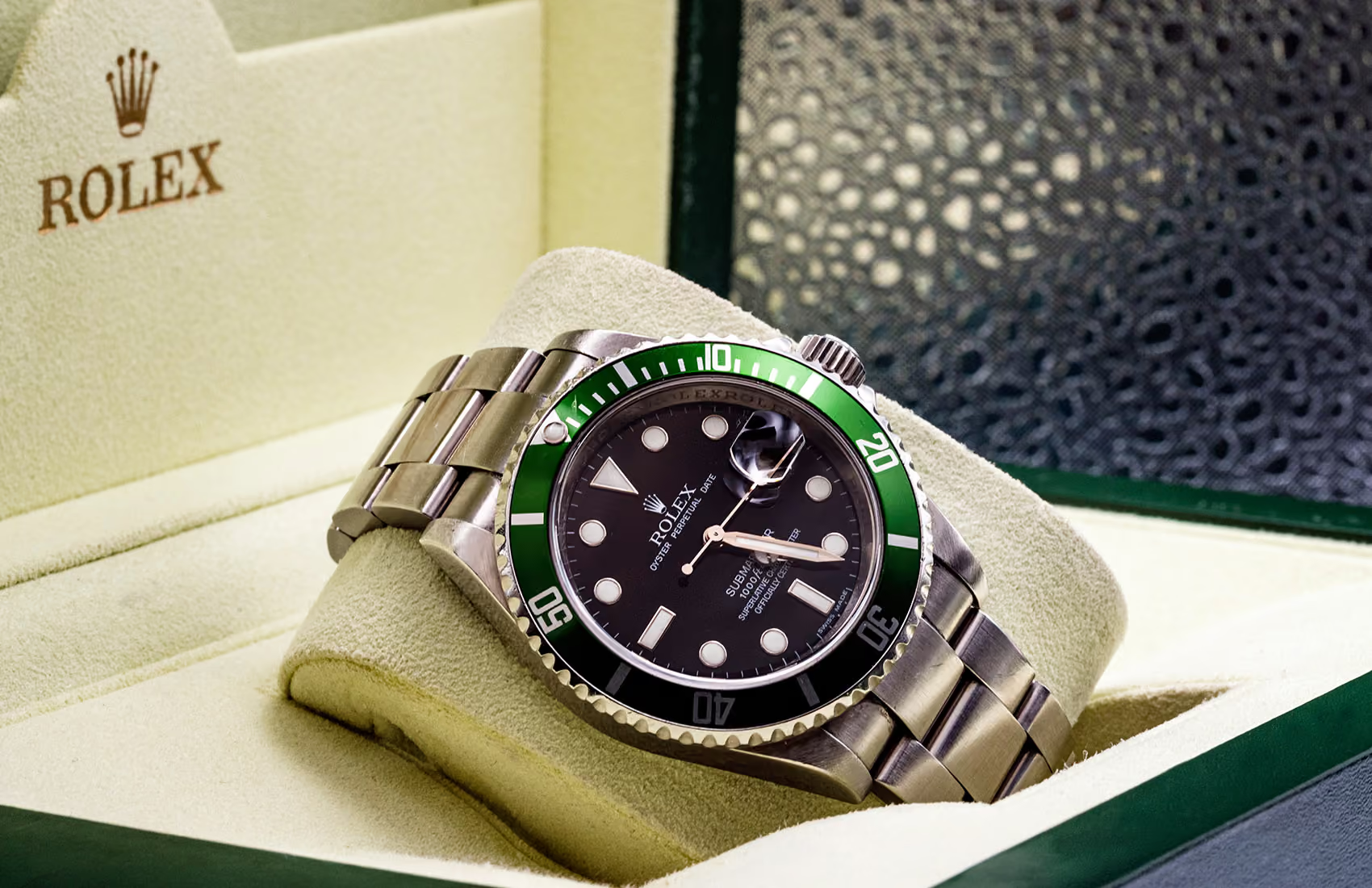
Learn how to spot a fake Rolex. Compare fake Rolex vs real details and how to avoid Rolex super clones in under 5 minutes. Find out if your Rolex is a dupe.
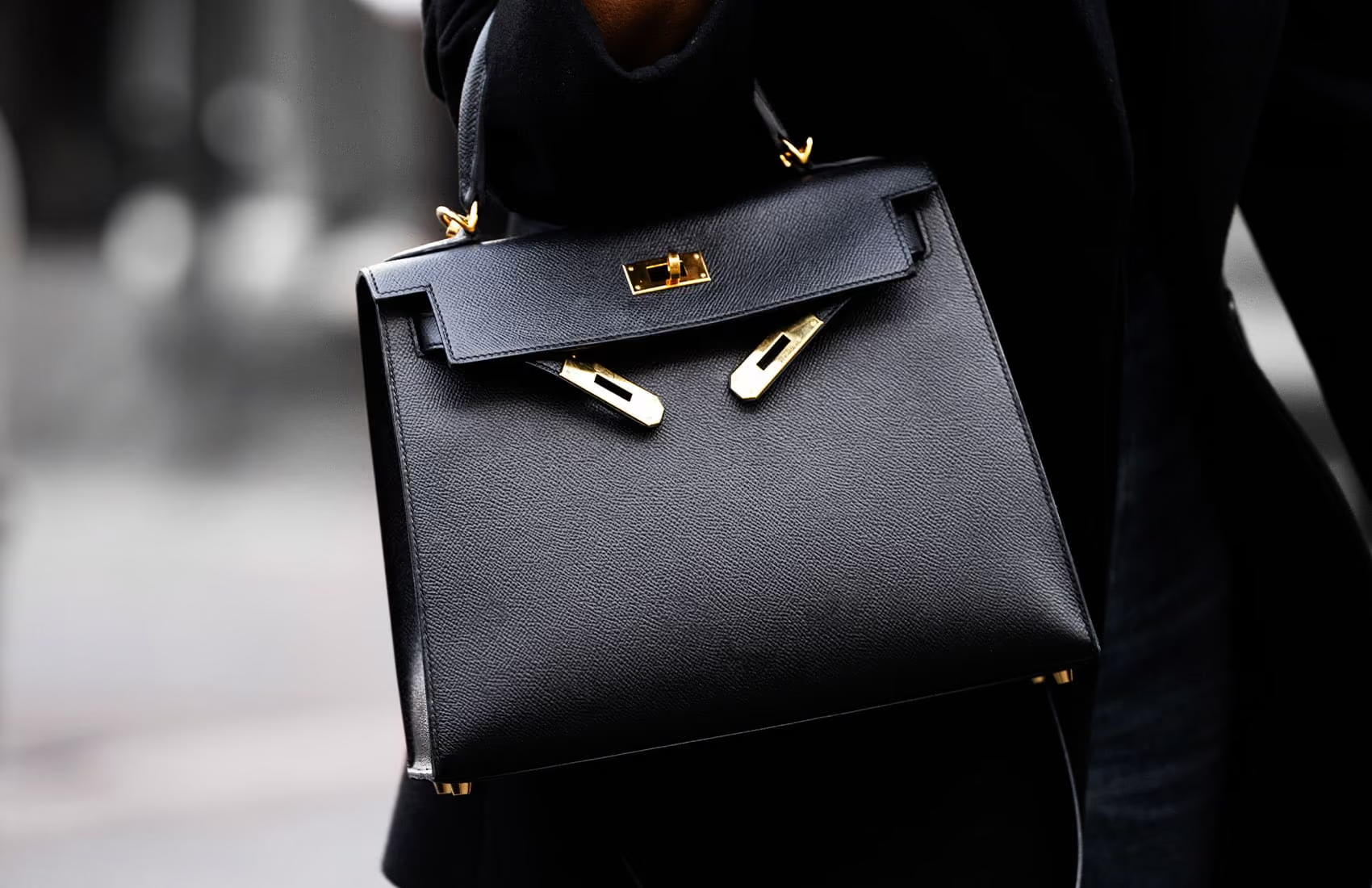
Is it wise to invest in handbags in 2026? Explore handbags as an investment, from classic designer pieces to emerging brands that could grow in value.
Discover the Knight Frank Luxury Investment Index and explore the best investments in 2026 across passion assets and collectables.
Investing in jewellery is increasingly popular. Find out some of the best jewellery to invest in, such as Tiffany, Cartier and Van Cleef investment jewellery.